
Understanding the Science of LED Phototherapy: Safety, Benefits, and Therapeutic Insights
- Dora Aaron
- Sep 6, 2025
- 5 min read

LED phototherapy has taken the world of aesthetics and dermatology by storm. This innovative treatment offers solutions for a wide range of skin issues, from stubborn acne to unwanted signs of aging. It often stands out due to its non-invasive nature, making it appealing to both practitioners and patients. At Glow Aesthetics by Dora, we prioritize patient safety while providing effective treatments. In this article, we’ll explore the science behind LED phototherapy, its safety, benefits, and the insights that make it a favoured choice for many.
What is LED Phototherapy?
LED phototherapy is a treatment that uses targeted wavelengths of light to penetrate the skin, stimulating various biological processes. Different colours of light, such as red, blue, and near-infrared (NIR), each focus on specific skin concerns.
This therapy works on the principle of photo biomodulation. In simpler terms, light energy is absorbed by skin cells, boosting their activity. For instance, studies have shown that red light can increase collagen production by up to 50% in some cases. This process helps reduce signs of aging and enhances healing capabilities, making LED treatment versatile for numerous skin issues.
Moreover, LED phototherapy is often combined with other skin treatments to enhance overall effectiveness, offering a comprehensive approach to skincare.
Is There Science Behind Red, Blue, and NIR Therapy?
Yes, scientific research supports the effectiveness of LED phototherapy. Each wavelength of light has unique properties and benefits that target specific skin concerns:
Red Light Therapy
Red light therapy works at wavelengths between 600 to 650 nanometers. It is known primarily for stimulating collagen production, which can reduce fine lines and wrinkles. Research indicates that consistent red light exposure may improve skin elasticity by as much as 20% over a few weeks. It's also beneficial for inflammation and conditions like rosacea.
Blue Light Therapy
Blue light therapy targets wavelengths ranging from 405 to 420 nanometers. It is instrumental in treating acne by targeting Propionibacterium acnes, the bacteria that causes acne breakouts. Studies suggest that blue light therapy can reduce acne lesions by up to 60% after several treatment sessions, helping to prevent future breakouts and promoting clearer skin.
Near-Infrared (NIR) Therapy
NIR therapy, operating at wavelengths between 800 to 900 nanometers, penetrates deeper into the skin to promote healing and reduce inflammation. It can also help alleviate pain. Patients often report improved skin texture and tone, while studies show that NIR can enhance recovery times after skin procedures by up to 30%.
The combination of these therapies provides a comprehensive skincare strategy, addressing multiple concerns in one session.
Is LED Phototherapy Safe?
Safety is often a concern with emerging treatments, but LED phototherapy is generally safe for most individuals. Unlike treatments with harsh chemicals or invasive procedures, LED therapy is non-invasive and rarely causes significant side effects.
However, consulting with a qualified practitioner like Aesthetic Nurse Practitioner Dora Aaron at Glow Aesthetics is essential to ensure this treatment suits your skin type and concerns.
Contraindications
While LED phototherapy is safe, some contraindications are essential to consider. For instance, individuals with photosensitivity disorders or those on medications that increase light sensitivity should avoid this treatment. Pregnant individuals or those with active skin infections should also consult their healthcare provider before undergoing LED therapy. This also includes malignancy.
A thorough consultation is vital to discuss your medical history and address any potential risks associated with the treatment.
Benefits of LED Phototherapy
The benefits of LED phototherapy extend beyond merely treating skin concerns. Here are the most notable advantages of this innovative therapy:
Non-Invasive Treatment
One of the most attractive features of LED phototherapy is its non-invasive nature. Unlike surgical options, LED therapy requires no downtime, allowing patients to resume daily activities immediately after treatment.
Versatile Applications
LED phototherapy can be customized to target a wide range of skin issues—acne, pigmentation, fine lines, and overall rejuvenation. According to a survey, over 80% of patients who received LED therapy reported satisfaction with their results, making it a popular option for comprehensive skincare solutions.
Pain-Free Experience
Most patients describe LED phototherapy as a comfortable, pain-free experience. Typically, there is minimal discomfort involved, making it a great choice for those with sensitive skin.
Enhanced Healing
Beyond cosmetic benefits, LED phototherapy can facilitate healing for various skin conditions. For individuals recovering from surgical procedures or dealing with chronic skin issues, this therapy can significantly aid in recovery.
Improved Skin Texture and Tone
Regular sessions of LED phototherapy can lead to visibly improved skin texture and tone. Many patients notice a more radiant complexion and a significant reduction in the appearance of pores within weeks, resulting in smoother and younger-looking skin.
How to Prepare for LED Phototherapy
Getting ready for LED phototherapy is simple. Here are a few tips to ensure you maximize your treatment:
Consultation: Begin with a consultation with a qualified practitioner to assess your skin concerns and determine if LED phototherapy is appropriate for you.
Avoid Sun Exposure: To minimize skin irritation, avoid excessive sun exposure and tanning beds (never recommended) for at least one week before your treatment.
Clean Skin: Arrive for your appointment with clean, makeup-free skin. This helps ensure that the LED light can penetrate effectively.
Follow Aftercare Instructions: After your treatment, adhere to any aftercare instructions provided by your practitioner to maximize the benefits.
What to Expect During and After Treatment
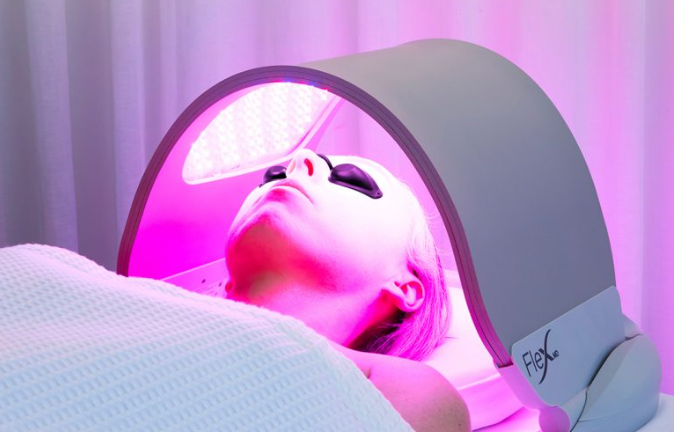
Prior to the session you will be given protective goggles to wear. During the LED phototherapy session, you will relax comfortably under the LED device. Treatments usually last between 20 minutes as an add on to a treatment, or 30 minutes stand alone, depending on the specific protocol being used. LED phototherapy is not recommended following botulinum toxin injections or filler treatments as the warmth could cause migration of the product. At Glow Aesthetics by Dora we recommend waiting 4 weeks to allow the filler to settle in completely.
Patients frequently find the experience relaxing, with many falling asleep. While you may notice slight redness in the treated area, this typically subsides quickly.
In the days following your treatment, improvements in your skin—including reduced redness, enhanced texture, and a glowing complexion—may become visible. For optimal results, a series of treatments may be recommended based on your needs.
Embracing the Power of Light for Your Skin
LED phototherapy represents a cutting-edge approach to managing various skin concerns safely and effectively. Its scientifically backed benefits and non-invasive methods have made it a favoured choice for many seeking to enhance their skin's appearance.
At Glow Aesthetics by Dora, we are dedicated to ensuring our patients receive the highest level of care and safety. If you’re interested in exploring LED phototherapy, we encourage you to book a consultation with Aesthetic Nurse Practitioner Dora to discuss your options.
By understanding the science and benefits of LED phototherapy, you can make informed decisions about your skincare routine and achieve the radiant results you desire. Embrace the transformative power of light to unlock your skin's full potential!


Comments