
Everything You Need to Know About Chemical Peels: Safety, and Downtime Explained
- Dora Aaron
- Sep 11, 2025
- 5 min read

Updated: Nov 4, 2025

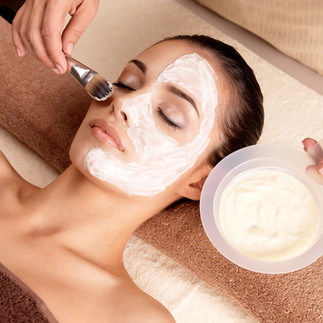
Chemical peels have transformed the skincare landscape, providing a powerful option for those wanting to rejuvenate their skin. The appeal lies in their ability to treat a variety of skin issues, from sun damage to fine lines. At Glow Aesthetics by Dora, we focus on prioritising patient safety while delivering effective results. This post explores the essentials of chemical peels, particularly superficial and medium peels, and addresses key concerns such as safety, pain levels, and downtime.
What Are Chemical Peels?
Chemical peels are cosmetic treatments that involve applying a chemical solution to your skin. This solution works to exfoliate the outer layers, encouraging the growth of new, healthier skin cells. There are three main types of chemical peels: superficial, medium, and deep. This blog will narrow in on superficial and medium peels, which cater to various skin types and concerns.
Superficial peels typically employ gentle acids like alpha-hydroxy acids (AHAs) or beta-hydroxy acids (BHAs). They are effective for treating minor skin issues such as fine lines, uneven skin tone, and mild acne. For example, a study showed that AHAs can improve skin texture by about 35% over several weeks.
In contrast, medium peels utilize stronger agents like trichloroacetic acid (TCA) or glycolic acid, which go deeper into the skin layers. They are particularly useful for moderate skin issues such as deeper wrinkles, sun damage, and more visible acne scars. Clinical results suggest these medium peels can reduce the appearance of acne scars by nearly 50% within a few months.
Both types of peels are popular for improving overall skin texture and appearance, making them a sought-after choice for many seeking a refreshed look.
Are Chemical Peels Harsh for My Skin?
Many people worry that chemical peels may be too harsh for their skin. This largely depends on the specific type of peel used as well as individual skin sensitivity.
Superficial peels are generally safe for most skin types and are less likely to cause major irritation. A typical session takes around 40 minutes, and patients often return to their daily activities immediately afterward. Redness or minor peeling usually resolves in about three days. In fact, a survey found that 85% of patients rated their recovery experience with superficial peels as comfortable.
Medium peels can lead to more pronounced side effects due to their deeper action. Post-treatment, patients may notice redness, swelling, and peeling that can last up to a week. Despite these effects, they are manageable with proper aftercare, which we provide at Glow Aesthetics by Dora.
We conduct thorough consultations to evaluate each patient’s skin type and specific needs, ensuring that the chosen peel is safe and effective.
Are Chemical Peels Painful?
Pain levels during chemical peels vary based on the type of peel and each individual's pain threshold.
Superficial peels are usually well-tolerated. Most patients describe the sensation as mild tingling or warmth. The whole treatment lasts only a short time, and any discomfort typically subsides quickly.
Medium peels can create more discomfort due to their deeper penetration. Patients may feel a brief burning or stinging sensation during the treatment. In these cases, a topical anaesthetic can be applied beforehand to enhance comfort. After the treatment, some may feel mild discomfort similar to a sunburn, which can be soothed with cooling compresses and appropriate creams.
On average, our patients report an 80% satisfaction rate with the results, outweighing any temporary discomfort they experienced.
How Long is the Downtime for Chemical Peels?
Understanding recovery time is crucial for anyone considering a chemical peel. Downtime varies based on the type of peel and how your skin responds.
For superficial peels, downtime is minimal—most patients can resume their normal activities immediately. Mild redness or flaking may occur for a few days, but many find this manageable in their busy lives.
Conversely, medium peels require a longer recovery period, with redness, swelling, and peeling lasting up to a week. Following proper aftercare is essential during this time to support healing and achieve the best results. Following our aftercare guidelines at Glow Aesthetics by Dora can significantly help in recovery.
Benefits of Chemical Peels
Chemical peels present a variety of benefits that can greatly enhance your skin's appearance and texture. Here are some critical advantages:
Improved Skin Texture: Chemical peels smooth rough skin and reduce the visibility of fine lines, leading to a softer feel and look.
Even Skin Tone: They effectively diminish hyperpigmentation and sun spots, resulting in a more uniform complexion.
Acne Treatment: These peels are effective for treating acne breakouts and reducing the visibility of acne scars, making them a good option for individuals facing persistent skin issues.
Boosted Collagen Production: By stimulating skin's natural healing processes, chemical peels encourage collagen production. This can lead to firmer, youthful-looking skin over time.
Customisable Treatments: At Glow Aesthetics by Dora, we tailor chemical peels to address specific skin concerns and goals, ensuring each treatment is personalised.
Preparing for a Chemical Peel
Preparation helps you achieve the best results from your chemical peel. Here are some steps to consider prior to your treatment:
Consultation: Booking a consultation with a qualified practitioner is crucial for discussing your skin concerns and treatment objectives. This helps to determine the most effective peel for your needs.
Avoid Certain Products: In the weeks leading up to the peel, it’s wise to avoid harsh products that could irritate the skin, including retinoids and certain acne medications.
Sun Protection: Use a broad-spectrum sunscreen to protect your skin from sun damage. Avoiding sun exposure is especially important, as sunburned skin is not suitable for peeling.
Stay Hydrated: Maintaining hydration is key—drink plenty of water to support skin health.
Follow Pre-Treatment Instructions: Adhering to specific guidelines given by your practitioner can significantly enhance the success of your treatment.
Aftercare for Chemical Peels
Proper aftercare plays a vital role in maximising results while minimising side effects. Here are essential aftercare tips:
Keep the Skin Hydrated: Applying a gentle, hydrating moisturiser helps to soothe the skin and prevent dryness.
Avoid Sun Exposure: Be diligent about sun protection. Using a broad-spectrum sunscreen and steering clear of direct sunlight are crucial for at least a week post-treatment.
Do Not Pick or Peel: Resisting the urge to pick at peeling skin is vital. This can lead to scarring and delay healing.
Follow Your Practitioner’s Instructions: Adhere strictly to any aftercare guidelines provided to ensure the best results.
Stay Hydrated: Continue drinking water to support the skin’s natural healing process.
Your Path to Radiant Skin
Chemical peels can significantly improve your skin's appearance and help you tackle various skin concerns. By familiarising yourself with the different types of peels and their benefits, you can make informed decisions on your skincare journey.
At Glow Aesthetics by Dora, we are committed to prioritising your safety and satisfaction. Every treatment is crafted to suit your unique needs. If you're curious about chemical peels, we invite you to schedule a consultation to discuss your skincare goals and discover the best options for you.

With the right knowledge and the guidance of professionals, achieving radiant, healthy skin is within your reach. Embrace this journey to beautiful skin with confidence!


Comments